

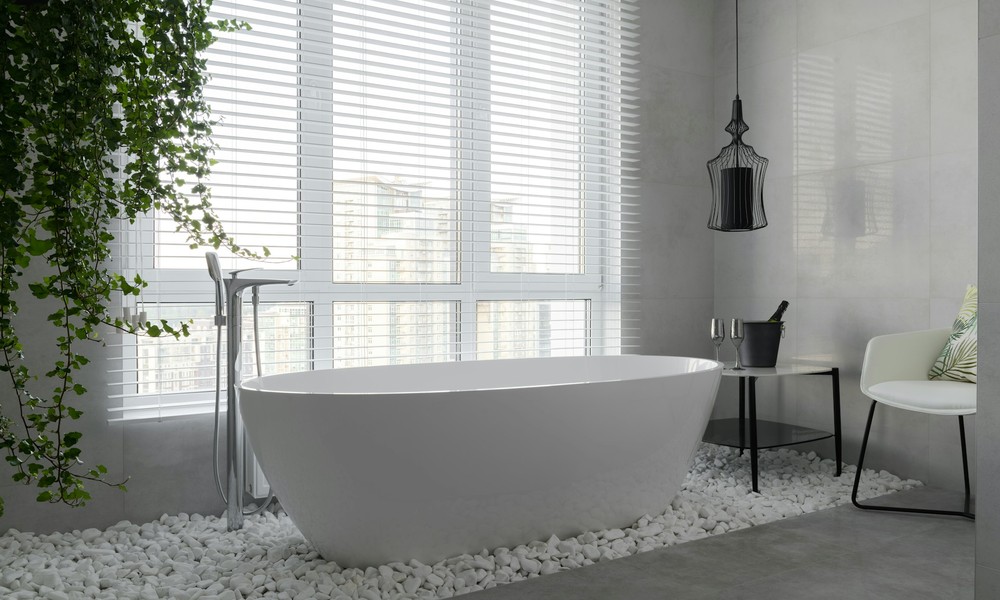
A freestanding bathtub commands attention the moment you enter the room. Its sculptural presence hints at luxury, comfort, and relaxation. Yet, what few homeowners realize is how choosing and installing one can quickly morph from a dream into an obstacle course of planning, measurements, and logistical surprises. The right freestanding tub transforms a bathroom into a sanctuary, but getting it right means solving challenges before they turn into setbacks.
Assessing Your Bathroom Space for a Freestanding Tub
The allure of a freestanding tub fades fast when you discover, too late, that it barely fits your bathroom or blocks the closet door. Before you scroll through catalogs, step back and let your room dictate what’s possible.
Measuring and Planning Clearance Requirements
A bathtub needs room to breathe. Plan for at least 8 to 12 inches of clearance on all sides, with extra space where you step out. This not only preserves the visual impact but also makes cleaning and plumbing access possible.
Considering Room Layout and Traffic Flow
Think about how people move through the space. Will the tub be an obstacle, or will it invite you in? Positioning is everything, especially when the tub isn’t tucked against a wall. Take note of doors, vanities, and even windows.
Balancing Tub Size with Bathroom Proportions
A petite tub in a compact room looks intentional. Cramming a giant soaker into a modest space will overwhelm it. Most models range from 55 to 72 inches in length, so compare those dimensions to your room’s footprint before falling for a particular style.
Special Considerations for Small Bathrooms
If your bathroom is on the smaller side, scale down rather than squeeze in. A 55-inch model can be just as inviting and often feels more harmonious than a giant tub that corners everything else.
Choosing the Right Material for Durability and Comfort
Once you’ve mapped out the space, the next crossroad is material. Each option brings its own benefits, but also unique installation hurdles.
Acrylic: Lightweight and Versatile
Acrylic is popular with good reason. At a fraction of the weight of stone or metal, it’s ideal for upper floors or older homes where a heavy tub might strain the structure. Acrylic tubs are easier to maneuver, provide decent heat retention, and are straightforward to repair if scratched.
Stone Resin: Luxury and Heat Retention
Stone resin tubs blend natural stone with resin, creating a dense, luxe feel. Baths stay warmer for longer, which is perfect for lingering soaks. The tradeoff? These tubs can weigh over 300 pounds before water or bathers enter the equation. For ground-floor installations, this is less of an issue. For anything above, you’ll need to confirm your floor’s strength.
Cast Iron: Classic Durability and Style
Cast iron is the heavyweight champion, revered for durability and heat retention. It’s less common in modern bathrooms due to its sheer weight and cost, but in the right setting, it’s unbeatable. Just be ready for the logistics of getting it inside and possibly reinforcing your floor.
Material Impact on Floor Load and Structural Support
Before making a selection, consider the load your bathroom floor can take. Here’s a quick comparison:
| Material | Average Weight (Empty) | Heat Retention | Suitability for Upper Floors |
|————–|———————–|—————-|—————————–|
| Acrylic | 70-120 lbs | Good | Excellent |
| Stone Resin | 220-350 lbs | Excellent | Often requires reinforcement |
| Cast Iron | 300-500 lbs | Excellent | Rarely suitable |
Consultation with a contractor can save you from costly structural surprises mid-renovation.
Plumbing and Installation Complexities
Freestanding tubs seem simple, but their installation brings distinct challenges. Plumbing is often the biggest hurdle.
Coordinating with Plumbing Professionals Early
Bring your plumber into the project from the start. The water supply and drain must be positioned precisely based on the tub’s dimensions and style. Mistakes here are expensive to fix.
Floor-Mounted Faucet and Drain Placement Challenges
The unique setup of freestanding tubs means your supply lines typically come up through the floor, not the wall. The drain, too, needs to connect below. Once those holes are cut, moving the tub even a few inches is not a trivial task.
Differences Between Freestanding and Built-In Installations
Unlike built-in tubs, where the plumbing is hidden in walls, freestanding tubs have visible fixtures and demand exact placement. The look is cleaner, but the margin for error is smaller.
Planning Rough-In Plumbing to Avoid Costly Mistakes
Lock in your tub’s exact position before any plumbing happens. Rough-in errors can turn into headaches that ripple through your budget and timeline.
Matching Tub Design to Your Bathing Habits
The best tub isn’t just about looks. How you bathe should shape your choice.
Soaking vs. Lounging: Shape and Comfort Considerations
Deep oval or round tubs are great for a soak but may lack back support. Slipper and double-slipper tubs, with elevated ends, cater to those who love to read or lounge.
Accessibility and Mobility Features
If low entry and easy access matter, look for gently sloped backs and lower sides. Think ahead for older family members or anyone with limited mobility.
Durability Needs for Family Use
For families, acrylic’s durability and ease of cleaning are practical choices, especially when kids and toys are in the mix.
Style Choices: Clawfoot, Slipper, Oval, and Round Designs
Style should enhance function. Clawfoot tubs add vintage flair, while modern rectangles or slipper shapes blend comfort and visual drama.
Preparing Your Bathroom Structure for Installation
Installing a freestanding tub can push your bathroom’s structure to its limits.
Evaluating Subfloor Strength and Reinforcement Options
A heavy tub, especially when full, exerts serious pressure on the floor. Professional assessment is essential for upper levels or older homes.
Handling Weight of Tub, Water, and Occupants
Never forget the added weight of bathwater (up to 50 gallons or more) and the bather. Factor this in when planning structural modifications.
Impact of Material Choice on Structural Modifications
Choosing a heavier material could mean reinforcing joists or adding additional supports. This step is crucial for safety and long-term durability.
Finalizing Your Freestanding Tub Selection
After all the planning, bring your vision into focus.
Comparing Models Based on Size, Material, and Style
Review models side by side, taking measurements and materials into account. Visual tools or augmented reality apps can help you picture the impact in your own space.
Visualizing the Tub in Your Space
Tape out the footprint or use cardboard to simulate the tub’s position. This tactile step helps identify awkward clearances or tight spots you might have missed on paper.
Budgeting for Purchase and Installation Costs
Factor in not just the tub but the plumbing, structural work, and long-term care. These hidden costs can be substantial.
Long-Term Maintenance and Care Considerations
Each material demands different care. Acrylic is forgiving, stone resin needs gentle cleansers, and cast iron requires attention to prevent rust. Plan for maintenance as part of your decision.
When you’re ready to dig deeper into the details, resources like how to choose the right freestanding bathtub can help you weigh options and avoid costly missteps. The right approach and a well-made plan turn installation challenges into a smooth, rewarding transformation, ensuring your new tub becomes the highlight of your daily retreat.
