

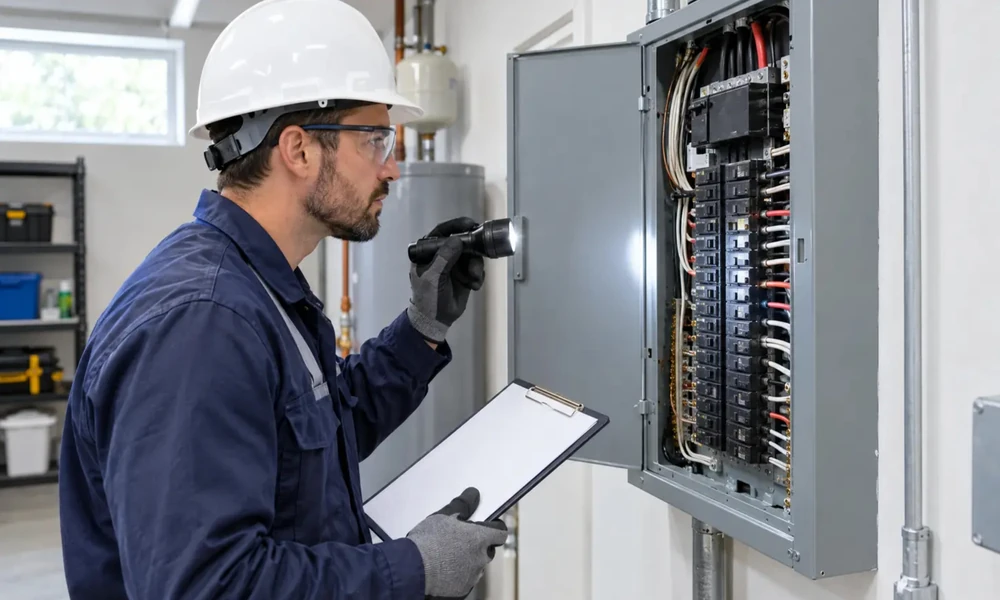
Buying a home at auction or purchasing a property in as-is condition can be an exciting opportunity. Maybe you found an older home in Austin, Texas with plenty of potential, a rental property that needs some work, or a house you can renovate and eventually sell. The purchase price may look attractive, but there is something every buyer should consider before moving furniture inside or starting demolition: What condition is the home’s electrical system really in?
Unlike a traditional home purchase, an auction or as-is sale may come with limited disclosures, incomplete maintenance records, or little opportunity to investigate problems before closing. The property might have been vacant for months, owned by an investor, neglected by a previous occupant, or repaired by several different people over the years. Even if the lights turn on and the outlets appear to work, that does not necessarily mean the electrical system is safe.
For buyers in Austin, Texas, an electrical evaluation can help uncover problems that might otherwise remain hidden until a circuit breaker trips, an appliance stops working, or a more serious electrical hazard develops.
Before spending money on new flooring, fresh paint, kitchen cabinets, or other cosmetic improvements, it is worth understanding what is happening behind the walls and inside the electrical panel. Taking care of important electrical issues early can help protect your investment and give you a clearer plan for the work ahead.
Why Auction and As-Is Homes Deserve a Closer Electrical Look
An as-is sale generally means the seller is offering the property in its current condition, although the specific terms and legal obligations depend on the transaction. It does not automatically mean the home has electrical problems. However, buyers may have fewer opportunities to obtain repairs or negotiate based on newly discovered defects.
Auction properties can present additional challenges. A home may have gone through foreclosure, sat vacant for an extended period, or changed ownership without consistent maintenance. Previous owners may have completed projects without preserving permits, receipts, or contractor information.
In some cases, the property may have been occupied by tenants or maintained by different investors. One person might have replaced a light fixture, another might have added an outlet, and someone else might have attempted to correct a breaker problem. Without documentation, it can be difficult to know whether those changes were completed correctly.
Austin’s housing market includes everything from older homes in established neighborhoods to newer construction, additions, converted garages, and investment properties that have undergone multiple renovations. The age of a home alone does not determine whether its wiring is safe, but a property’s history can help an electrician identify areas that deserve closer attention.
Before closing, arrange a professional inspection if access is permitted. If the purchase has already been completed, consider scheduling an electrical evaluation before beginning substantial renovation work.
1. Look for Exposed Wiring, Damaged Outlets, and Signs of Amateur Repairs
One of the first things to investigate is the visible condition of the home’s electrical components. A quick walk-through may reveal warning signs that deserve professional attention.
Look for damaged outlets, broken switches, missing cover plates, exposed conductors, loose fixtures, and electrical boxes that appear to be pulling away from walls or ceilings. You might also notice extension cords being used as permanent power sources or outlets that have been damaged by furniture, moisture, or repeated use.
Pay attention to areas where wiring appears to have been added without much consideration for appearance or safety. Examples include cables hanging beneath cabinets, loose wires near a water heater, or makeshift connections in a garage.
These conditions can result from incomplete renovations, accidental damage, or unqualified electrical work. Even a repair that looks neat on the surface may conceal improper connections or unsuitable materials.
Do not touch exposed wires, remove electrical covers, or attempt to test suspicious components yourself. A circuit may remain energized even when a nearby switch is off. If you find exposed conductors, damaged equipment, or signs of burning, keep people away from the area and have a qualified electrician assess the situation.
A licensed electrician can investigate whether the visible defects are isolated repairs or signs of a larger problem.
2. Have the Electrical Panel Checked for Damage and Unsafe Alterations
The electrical panel is one of the most important parts of the evaluation, especially when the home’s maintenance history is uncertain.
An older panel is not automatically dangerous, and a newer panel is not automatically safe. What matters is its condition, the equipment installed, the suitability of the components, and whether the system has been altered correctly.
During an evaluation, an electrician may look for several warning signs:
- Corrosion or moisture: Rust, oxidation, or water staining can indicate moisture exposure that may affect electrical connections and equipment.
- Evidence of overheating: Discoloration, melted insulation, damaged components, or a burning odor may indicate excessive heat or an electrical fault.
- Missing or damaged components: Missing panel covers, unused openings, damaged breakers, or other incomplete components may create hazards.
- Improper breaker installations: Breakers that are incompatible with the panel, incorrectly sized, or installed in unauthorized positions can create safety concerns.
- Questionable alterations: Improvised wiring, double-tapped terminals where not permitted, poorly secured conductors, or other modifications may require correction.
- Insufficient capacity for planned upgrades: The panel may need further evaluation before the homeowner adds an electric range, HVAC equipment, an EV charger, or other substantial loads.
Buyers should also understand that the number of open breaker spaces does not establish how much additional electrical capacity a home has. An electrician may need to evaluate the service rating, existing loads, feeder conductors, and anticipated demand to determine whether an upgrade is appropriate.
For example, an investor purchasing an older Austin home may plan to modernize the kitchen, install a larger air-conditioning system, and add an electric vehicle charger. Before those projects begin, the existing service and panel should be evaluated to determine whether the planned equipment can be supported safely.
Tejas Electric can help homeowners understand which electrical issues need attention and which improvements may be appropriate for their renovation plans.
3. Investigate Water Intrusion and Possible Storm Damage
Water and electricity are a dangerous combination, and auction properties sometimes have a history of roof leaks, plumbing failures, flooding, or neglected exterior maintenance.
Austin, Texas-area homes can experience severe thunderstorms, heavy rainfall, strong winds, and occasional freezing weather. Depending on the property, storm-related damage may affect outdoor electrical equipment, service entrances, detached structures, or wiring in areas that have experienced leaks.
During your initial walk-through, look for water stains on ceilings, damp walls, discolored drywall near outlets, and signs of previous repairs around windows or exterior doors. Check for visible damage near the electrical service equipment and look for evidence that water may have entered a garage, attic, or utility room.
Water staining does not automatically prove that electrical equipment has been damaged. However, it provides a reason to investigate further.
Outdoor receptacles, disconnects, meter equipment, and other exterior electrical components deserve particular attention if they appear cracked, corroded, loose, or exposed to water. Equipment that has been submerged or affected by significant moisture may require specialized assessment and replacement rather than simply drying it out.
Never open a wet electrical panel or touch electrical equipment in a flooded area. If you suspect active water intrusion near energized equipment, keep clear and contact an appropriate electrical professional. If there is immediate danger, follow emergency guidance.
Resolving the source of the water intrusion is also important. Replacing damaged electrical equipment without correcting the leak can leave the same problem waiting to happen again.
4. Check Garages, Attics, Additions, and Unfinished Areas
Some of the most useful clues about a home’s electrical history are found in areas buyers rarely examine closely.
Garages, accessible attics, unfinished basements where present, utility rooms, sheds, and additions can reveal wiring that was installed during previous remodeling projects. These areas may also contain abandoned cables, makeshift connections, or electrical work that was never fully completed.
For example, a previous owner may have converted part of a garage into a workshop, added a room to the back of the house, or installed extra lighting in the attic. If the work was completed without proper planning, the wiring may be poorly supported, inadequately protected, or connected to a circuit that was not designed for the additional demand.
An electrician can inspect accessible wiring for concerns such as damaged insulation, improper splices, unsuitable cable installations, missing junction-box covers, and signs of overheating. The evaluation can also help determine whether electrical work in an addition appears to have been integrated properly with the original system.
Do not crawl into an unsafe attic, step on ceiling drywall, move stored items around exposed wiring, or enter areas with suspected structural damage just to investigate electrical conditions. Let a qualified professional determine how those spaces can be inspected safely.
This step is especially important for investors purchasing homes that have been remodeled more than once. A room may look finished while concealing electrical work that deserves further examination.
5. Identify Disconnected, Abandoned, or Improperly Extended Circuits
Not every electrical problem is immediately visible. Some issues become apparent only when an electrician traces circuits, checks connections, and investigates inconsistent operation.
A previous owner might have disconnected a circuit after a problem developed without resolving the underlying cause. Another may have extended a circuit to power additional outlets, lighting, or appliances. In other cases, wiring may have been left behind after a room was remodeled or an appliance was removed.
These situations can make an older or renovated home difficult to understand, particularly when there are no updated electrical drawings or records.
Warning signs might include outlets that do not work, switches with no obvious function, rooms that lose power unexpectedly, or breakers that trip repeatedly. Missing labels in the electrical panel can also make troubleshooting more difficult.
An electrician may need to identify which outlets and fixtures belong to each circuit, investigate unusual connections, and determine whether abandoned conductors have been safely disconnected and terminated.
It is important not to assume that a nonworking outlet is simply a minor inconvenience. The cause could be a failed device, a disconnected conductor, a tripped protective device, a damaged connection, or a more significant wiring problem.
Likewise, repeatedly resetting a breaker without identifying why it trips is not a solution. A breaker that trips repeatedly may be responding to an overload, short circuit, ground fault, or another condition requiring attention.
A professional evaluation can help establish a clearer picture of how the system is configured and identify repairs that should be completed before the home sees heavier electrical use.
6. Prioritize Safety Repairs Before Cosmetic Renovations
Once you identify potential electrical problems, the next question is what to fix first.
It is tempting to begin with the most visible improvements. Fresh paint, updated flooring, modern lighting, and new cabinets can make a property feel dramatically different. But covering walls or installing new finishes before investigating questionable wiring can make later repairs more disruptive and expensive.
Instead, separate the work into priorities.
First, address immediate safety concerns. These may include exposed energized conductors, evidence of active overheating, severely damaged electrical equipment, unsafe panel conditions, or moisture affecting electrical components. Keep people away from dangerous areas and have the situation assessed promptly.
Second, correct defects that affect the reliability and safety of the existing system. Depending on the findings, this may involve repairing damaged wiring, correcting improper connections, replacing defective devices, addressing grounding or bonding deficiencies, or resolving recurring breaker problems.
Third, evaluate the system against your renovation plans. If you intend to add a bathroom, expand a kitchen, install new HVAC equipment, or convert a garage, determine what electrical work will be required before finalizing the construction schedule.
Finally, coordinate electrical work with other contractors. An electrician can identify when wiring should be inspected or modified before insulation, drywall, cabinetry, or other finishes are installed.
This approach helps avoid paying twice for work. For example, replacing a wall’s drywall before an electrician has investigated suspicious wiring can result in opening that same wall again a few weeks later.
7. Plan Electrical Repairs When You Have Limited Property Information
What if you purchase an auction property and have almost no information about its electrical history?
Start by treating the evaluation as a way to establish a baseline rather than assuming the entire system needs replacement.
A qualified electrician can assess accessible components, investigate reported symptoms, and identify areas that require additional inspection. Depending on the property’s condition and accessibility, some wiring concealed inside walls may not be fully evaluated without opening specific areas.
Ask for a written summary of identified concerns, recommended corrective work, and any limitations that prevented a complete assessment. If several repairs are needed, ask which should be addressed immediately and which can be coordinated with planned remodeling.
It is also helpful to maintain a record of the work completed after purchasing the property. Keep invoices, permits where applicable, equipment documentation, and details about significant electrical upgrades. These records can help with future maintenance, troubleshooting, insurance questions, and eventual resale.
If the property is an investment, include electrical repairs in your initial project budget rather than assuming the purchase price represents the full cost of making the home ready for occupancy or rental.
An inspection cannot guarantee that every hidden defect will be discovered, especially when access is limited. Nevertheless, a documented evaluation can reduce uncertainty and help you make more informed decisions about the property.
8. Evaluate the Electrical System Before Installing New Appliances
New appliances can place different demands on an existing electrical system. Before installing equipment, confirm that the home’s wiring, circuits, receptacles, and electrical service are suitable for the intended use.
This is particularly important if you are upgrading an older kitchen or adding equipment that was not present when the home was originally built.
A new electric range, clothes dryer, water heater, HVAC system, or EV charging station may require a dedicated circuit or other electrical modifications. The actual requirements depend on the equipment specifications, existing installation, applicable codes, and the home’s electrical capacity.
A buyer who plans to install an EV charger, for example, should not assume that an available breaker position means the electrical system can support the installation. The electrician may need to evaluate the existing service and calculate the expected load.
Similarly, installing a modern kitchen full of new appliances without reviewing the existing circuits can lead to unexpected project costs or recurring electrical problems.
Before purchasing major equipment, discuss your plans with an electrician. That conversation can help you identify necessary upgrades, determine whether additional work is needed, and coordinate the electrical installation with the rest of the renovation.
Is DIY Electrical Work a Good Idea for an Auction Home?
A handy homeowner may be comfortable painting rooms, replacing cabinet hardware, repairing trim, or assembling furniture. Electrical work, however, requires a different level of knowledge because mistakes can create shock, fire, and equipment-damage risks.
Replacing a damaged cover plate is very different from modifying a breaker panel, extending a circuit, installing a new appliance circuit, or repairing unknown wiring left behind by a previous owner.
In an auction or as-is property, the challenge is often that you do not know what someone did before you arrived. A wire may have been repurposed, a circuit may have been disconnected incorrectly, or an earlier repair may have concealed a problem. Without the right training and testing equipment, it can be difficult to determine what is safe.
Texas electrical licensing requirements and applicable exceptions depend on the type of work and circumstances. Homeowners should not assume that owning a property automatically makes every electrical installation or modification permissible as a DIY project. Permit and inspection requirements may also apply under the relevant local rules.
For work involving new circuits, panel modifications, service upgrades, questionable wiring, or suspected electrical hazards, hiring a properly licensed electrician is the safer approach. A licensed professional can evaluate the existing conditions, complete work within the applicable requirements, and help determine whether permits or inspections are necessary.
When choosing an electrician in Austin, ask about licensing, insurance, experience with older homes, and the scope of the proposed work. You should also request a clear explanation of which repairs are urgent, what the work will involve, and whether additional issues could be uncovered once concealed areas are opened.
The goal is not to replace every component simply because the house was purchased at auction. It is to understand the system well enough to make sound decisions and avoid taking unnecessary risks.
Get an Electrical Evaluation Before You Start Renovating
An auction purchase can be a smart investment, but unknown electrical conditions should be part of your due diligence. Taking the time to investigate the panel, visible wiring, moisture damage, unfinished areas, and previous modifications can help you identify potential hazards before they interfere with your renovation plans.
Before closing on a home or starting a renovation, Austin homeowners can rely on Tejas Electric’s electrical inspection services to help identify potential electrical hazards, outdated components, and issues that may require attention.
Tejas Electric helps homeowners approach electrical repairs and improvements with a clearer understanding of their property’s needs. Whether you are purchasing an older home, preparing an investment property for tenants, or planning a complete kitchen renovation, an electrical evaluation can help you prioritize the work and plan the next steps.
Before you install new appliances, close up walls, or invest in cosmetic improvements, consider having the existing electrical system professionally assessed. Finding and addressing problems early can help protect your property, support a safer living environment, and make the renovation process more predictable.
If you have purchased an auction or as-is property in Austin, Texas, contact Tejas Electric to discuss your electrical concerns and arrange an evaluation before moving forward with major improvements.
