

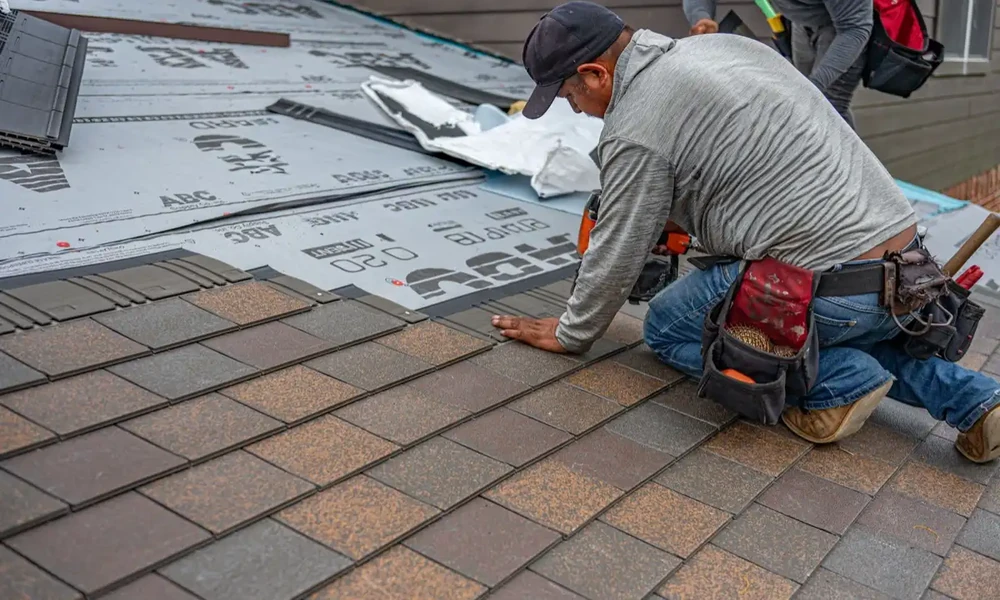
Few places in Texas put a house roof through as many kinds of stress in one year as the Permian Basin. Summer afternoons regularly climb past 100°F. Spring brings dryline thunderstorms that can drop hail within minutes. Wind carries fine caliche dust across neighborhoods for days at a time. Each of these forces wears on roofing in its own way, which is why a material that performs well in Dallas or San Antonio can age much faster out west.
Choosing materials for a residential roof in Midland makes the most sense when the decision starts with local conditions rather than catalog photos. The team behind metalroofingcontractortexas.com, Schmitt Roofing & Construction, works across Midland, Odessa and surrounding towns with asphalt shingle, metal, tile and slate systems, and also handles storm damage repair, so the comparison below reflects the options homeowners in this region actually weigh.
Material is only part of the story, though. Installation details, attic ventilation and upkeep between storms decide just as much about how long a roof lasts. The sections ahead look at how common options hold up here and which small choices separate a roof that ages gracefully from one that fails early.
What West Texas Weather Actually Does to a Roof
Hail gets the most attention, and for good reason. During one late May storm, the National Weather Service office in Midland recorded baseball size hail falling for 45 minutes. Stones that large can fracture shingles, crack tile and dent thinner metal panels in a single afternoon.
Heat does slower damage. A dark roof surface in July can reach temperatures far above the air around it. Over the years, that heat dries out the asphalt in shingles and makes them brittle. When a sudden storm cools a scorching roof in minutes, the rapid contraction adds even more strain to seams, sealant and flashing.
Wind and dust finish the job. Strong gusts lift shingle edges and break the adhesive seal that holds each tab down. Blowing grit acts like fine sandpaper, scouring away the protective granules that shield asphalt from ultraviolet light.
How the Main Roofing Options Compare
Impact Resistant Asphalt Shingles
Standard shingles remain the most affordable choice, but in hail country the version that matters is the Class 4 rated shingle. These products are built with reinforced mats or rubberized asphalt that flexes under impact instead of cracking. They cost more than basic architectural shingles, yet they tend to survive the moderate hail events that would otherwise trigger a full replacement.
Standing Seam Metal
Standing seam panels hide their fasteners beneath raised seams, so there are no exposed screws to loosen over time. Metal reflects a large share of solar heat, especially in lighter colors, which can ease the load on air conditioning through long summers. Large hail can still leave dents, but the panels usually keep shedding water even when they look dimpled.
Exposed Fastener Metal Panels
These panels are common on barns, shops and some homes because they cost less than standing seam. The tradeoff sits in the screws. Each one relies on a rubber washer, and years of intense sun break those washers down. Owners should expect to inspect and replace fasteners periodically to prevent slow leaks.
Concrete and Clay Tile
Tile handles heat beautifully and suits Spanish and Mediterranean style homes found around the area. It is heavy, though, and the roof framing must be rated to carry it. Individual tiles can crack under large hail, and walking on them carelessly causes more breakage, so repairs call for an experienced hand.
Five Details That Matter as Much as the Material
Even the toughest product can fail early when the details are wrong. These are the points worth confirming before any work starts:
- The impact rating on the packaging. Look for UL 2218 Class 4 or an equivalent rating printed on the product itself, not just a mention in a brochure.
- Balanced attic ventilation. Intake vents at the eaves and exhaust near the ridge keep heat from cooking the underside of the roof deck.
- Underlayment suited to high heat. Some synthetic underlayments and self adhered membranes are rated for higher temperatures, which matters under metal and dark shingles.
- Fastening for high wind. Shingle manufacturers specify nailing patterns for high wind zones, and following them often affects the warranty.
- Flashing and pipe boots. Rubber pipe collars crack in strong sun long before shingles wear out, making them one of the most common leak sources in the region.
Insurers Are Being Pushed to Reward Tougher Roofs
Insurance costs have climbed sharply across Texas, and roof type plays a growing part in what homeowners pay. In September, the Texas Department of Insurance issued a commissioner’s bulletin urging insurers to offer meaningful premium discounts to homeowners who invest in loss mitigation, naming impact resistant roofing and IBHS FORTIFIED construction among the measures it wants recognized.
The bulletin encourages discounts rather than mandating a set amount, so savings vary by company. Before choosing a material, it helps to ask an insurance agent two questions. First, what discount applies to a Class 4 roof? Second, does the policy exclude cosmetic damage, such as dents on metal that do not cause leaks? Some policies carry that exclusion in exchange for a lower premium, and knowing about it ahead of time avoids surprises after a storm. Keeping the installer’s paperwork showing the exact product used also makes claiming a discount much easier.
Keeping Any Roof Healthy Between Storms
A roof in this climate benefits from attention twice a year. Early spring, before storm season peaks, is a good time for a professional inspection. A second look after any significant hail event catches damage before it turns into interior leaks.
Homeowners can do some checking from the ground. Dents on gutters, downspouts, mailboxes and air conditioning units are strong clues that hail was large enough to harm the roof as well. Heavy granule buildup in gutters suggests shingles are wearing faster than they should. Binoculars help spot lifted tabs or missing pieces without anyone climbing a ladder.
Walking on the roof is best left to professionals. Metal can be slick and easy to dent underfoot, tile cracks under uneven weight, and older shingles grow brittle in summer heat.
The right roof for this part of Texas is not simply the strongest or the cheapest product available. It is the one matched to hail, heat and wind, installed with care for ventilation and fastening, and checked regularly enough that small problems never get the chance to grow. Homeowners who weigh all of those pieces together tend to get far more years from their investment, along with fewer anxious evenings watching storm clouds build over the horizon.
